

The January Carnation: A Bloom for New Beginnings and the Month’s Birth Flower
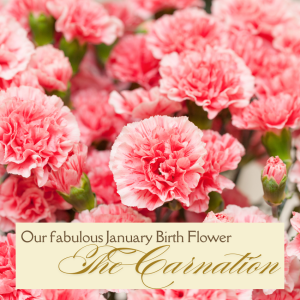
As the January sun rises over South Africa, the carnation—the birth flower of this fresh month—stands as a timeless symbol of resilience, grace, and love. With its delicate ruffled petals and striking range of colours, the carnation has captivated hearts and adorned homes for centuries. But what makes this bloom so special, and why does it hold the honour of being January’s birth flower?
Why the Carnation for January?
Originating in the Mediterranean, carnations (Dianthus caryophyllus, meaning “flower of the gods”) are known for their ability to thrive even in challenging conditions. While South Africa enjoys the warmth of summer in January, carnations remind us of perseverance—a perfect metaphor for the start of a new year. This flower’s hardiness mirrors our own resolve to embrace life’s opportunities with hope and purpose.
To truly appreciate the carnation’s role as January’s birth flower, it’s fascinating to explore its journey through history. The Victorians, famed for their “language of flowers,” popularized the assignment of specific blooms to each month. Carnations, with their vibrant hues and symbolic versatility, became synonymous with January—a time for reflection, gratitude, and new beginnings.
A Journey Through Carnation Lore
The carnation’s legacy stretches across cultures and continents, each assigning its own meanings and uses to this divine bloom:
- South Korea: Carnations symbolize respect and gratitude, often gifted to parents and teachers.
- Portugal: The red carnation became a peaceful emblem of the 1974 Carnation Revolution.
- Christian Traditions: Legend says carnations sprang from the Virgin Mary’s tears, symbolizing divine love and sacrifice.
Did you know? Ancient Greeks believed carnations were created by the goddess Diana. Dropped in haste, these flowers were said to carry a piece of her divine essence—a reminder that beauty can bloom even in the midst of chaos.
Colours That Speak
The beauty of carnations lies not just in their delicate petals but in the profound messages their colours convey:
- Pink: Gratitude and motherly love—a heartfelt choice for any parent.
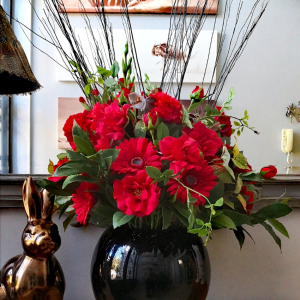
- Red: Passion and admiration, perfect for declarations of love.
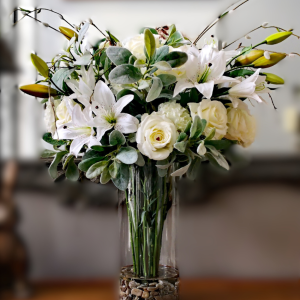
- White: Purity and new beginnings, ideal for January’s fresh start.
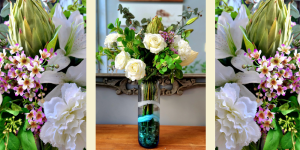
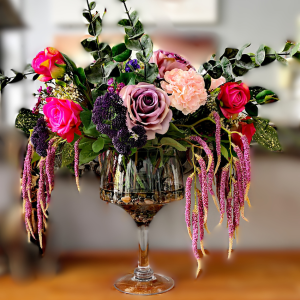
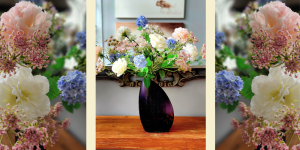
In South Africa, carnations bring vibrant energy to our homes and gardens, whether as part of a lively summer bouquet or a symbol of enduring love. When designing arrangements, I often use carnations as filler flowers in mixed arrangements, especially in shades of red, white, and pink. Their romantic softness and nostalgic charm add a timeless elegance to each piece, creating a harmonious blend that feels both fresh and familiar.
Unknown Facts About Carnations
- Carnations have been cultivated for over 2,000 years and were among the first flowers grown in Roman greenhouses.
- In France, carnations are often associated with remembrance and funerals.
- Carnation petals were historically used to flavour wine, giving rise to their nickname “sops-in-wine.” As a wine drinker myself, I found this point particularly interesting while researching for this blog. I had no idea that the simple carnation combines my two greatest passions—flowers and wine!
Closer to home, carnations thrive in South African gardens, offering a spectrum of colours and impressive longevity—a perfect match for the vibrant spirit of summer.
A New Year’s Reflection
As we welcome 2025, let the carnation inspire us with its resilience and grace. Like this hardy flower, we can face life’s challenges while radiating beauty and strength.
How will you bring the spirit of carnations into your new year? Let us know and may your 2025 bloom as beautifully as these timeless flowers. From the SilkBlume family to yours, here’s wishing you a year filled with joy, love, and creativity.

