Floral Therapy: The Healing Power of Blooms
Introduction to Floral Therapy
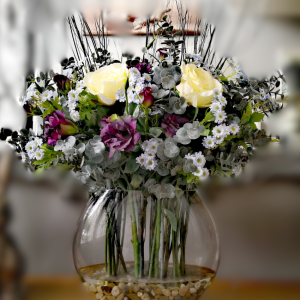
Floral therapy, also known as flower therapy or horticultural therapy, delves into the profound impact that flowers and plants have on human well-being. This practice is deeply rooted in the concept of biophilia—the inherent human connection to nature—which suggests that interactions with flowers can significantly enhance our emotional and physical health. While fresh flowers have traditionally been the medium for this therapy, advancements in materials and design have now made high-quality artificial flowers, like those offered by SilkBlume, a viable and effective alternative.
Historical Context and Global Practices
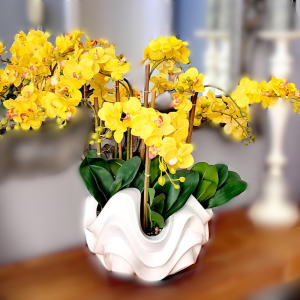
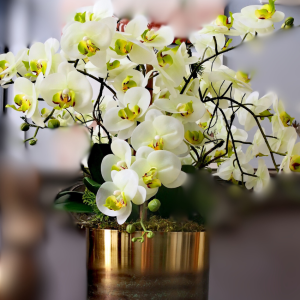
Throughout history, different cultures have harnessed the power of flowers for their soothing and healing properties. These practices are a testament to the enduring connection between humans and nature, a bond that SilkBlume continues to honour with our artificial floral arrangements.
- Greek and Roman Traditions: Laurel and roses were used in ceremonies to symbolize honour. Our artificial versions of these flowers provide a long-lasting option for maintaining this symbolic decor in both personal and communal spaces.
- Traditional Chinese Medicine (TCM): Flowers such as chrysanthemum were believed to soothe nerves and promote balance. SilkBlume’s artificial chrysanthemums evoke the same sense of tranquillity, providing a visual cue for relaxation and emotional balance.
- Indian Ayurveda: Jasmine and marigold are used in Ayurvedic practices for stress reduction. Our artificial jasmine and marigold flowers can be integrated into home and office environments to create a calming atmosphere, mimicking the serene impact of fresh blooms.
- Japanese Ikebana: Ikebana, the Japanese art of flower arranging, is about bringing together nature and humanity. SilkBlume’s artificial flowers, when used in Ikebana, offer the same meditative benefits, allowing for creative expression and spiritual awareness without the limitations of seasonal availability.
The Science Behind Floral Therapy
The therapeutic benefits of flowers are supported by various psychological theories and scientific studies that highlight their ability to reduce stress, improve mood, and enhance overall emotional health.
- Biophilia Hypothesis: This theory suggests that humans have an innate affinity for nature, which includes flowers. By incorporating flowers—whether real or artificial—into our environment, we tap into this connection, providing a sense of calm and comfort.
- Attention Restoration Theory (ART): ART posits that exposure to natural environments, including flowers, helps restore cognitive function and reduces mental fatigue. Flowers in home or office settings act as natural restorative elements, helping to alleviate mental exhaustion and improve concentration and productivity.
- Color Psychology: Different colors evoke specific emotional responses. For example, blues and greens are known for their calming effects, while reds and oranges can stimulate energy and enthusiasm. By selecting artificial flowers in specific colors, SilkBlume can create arrangements tailored to evoke desired emotional responses, such as tranquillity or invigoration.
Floral Arrangements as Mood Enhancers
The colours of flowers in an arrangement can significantly influence mood and emotional well-being. Here’s how different colours can be used intentionally to create the desired emotional responses in various environments:
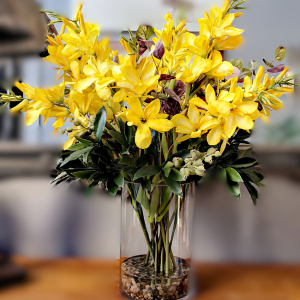
Yellow: The Color of Happiness and Positivity
- Emotional Impact: Associated with happiness, optimism, and positivity, yellow is ideal for energizing and uplifting spaces.
- Application: Incorporating yellow flowers like sunflowers and daisies can create a cheerful atmosphere, perfect for communal spaces.
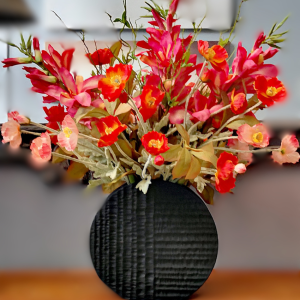
Orange: Energizing and Stimulating
- Emotional Impact: Orange stimulates enthusiasm, creativity, and vitality.
- Application: Marigolds and lilies in shades of orange add vibrancy and energy to workspaces and dining areas.
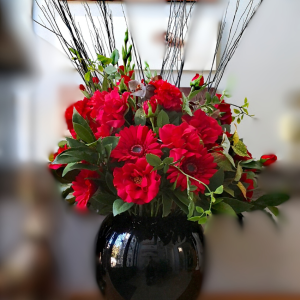
Red: Passionate and Invigorating
- Emotional Impact: Red is associated with passion, love, and excitement, creating a sense of urgency and intensity.
- Application: Red roses and poppies can create dramatic and passionate arrangements, ideal for romantic or motivational spaces.
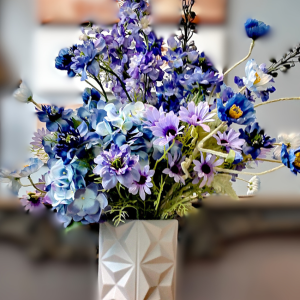
Blue: Calming and Restorative
- Emotional Impact: Blue is known for its calming effects, making it perfect for reducing stress and anxiety.
- Application: Blue hydrangeas and delphiniums create a serene atmosphere in bedrooms or meditation spaces.
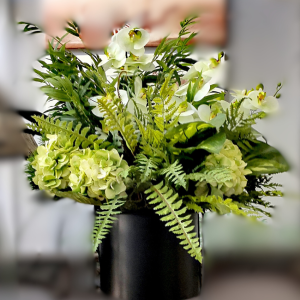
Green: Refreshing and Balanced
- Emotional Impact: Green symbolizes growth and harmony, promoting a sense of stability and calm.
- Application: Greenery like ferns and ivy add a refreshing touch, enhancing feelings of balance and connection to nature.
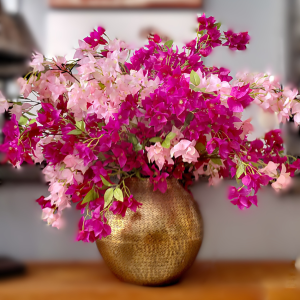
Pink: Nurturing and Comforting
- Emotional Impact: Pink promotes warmth and security, making it ideal for comforting environments.
- Application: Pink peonies and roses create soft, nurturing arrangements, perfect for nurseries or lounges.
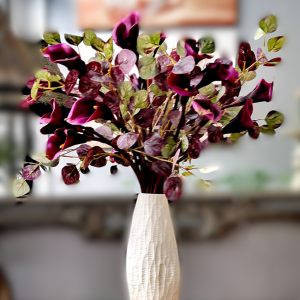
Purple: Luxurious and Mysterious
- Emotional Impact: Purple evokes luxury, creativity, and spirituality.
- Application: Orchids and lavender add a touch of luxury and creativity to spaces like home offices or studios.
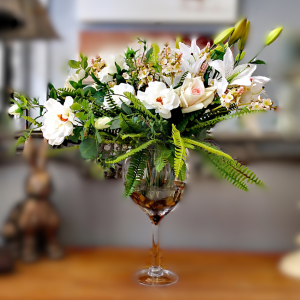
White: Pure and Serene
- Emotional Impact: White symbolizes purity and serenity, promoting peace and clarity.
- Application: White lilies and jasmine create serene and elegant arrangements, ideal for weddings or minimalist interiors.
Tying in with Artificial Flowers
SilkBlume’s artificial flower arrangements allow clients to enjoy these mood-enhancing benefits without the maintenance concerns of real flowers. By carefully selecting colors and designing arrangements that resonate with the desired emotional outcomes, SilkBlume ensures that every space can benefit from the healing power of flowers, no matter the season or environment.
The Role of Artificial Flowers in Floral Therapy
Artificial flowers provide a long-lasting solution for those seeking the benefits of floral therapy. Unlike real flowers, which wilt and fade, artificial flowers maintain their beauty indefinitely, ensuring a constant source of comfort and visual pleasure. They are also allergy-friendly and versatile, making them ideal for creating environments that promote well-being.
Subscription Service Advantage
One of the unique benefits of the SilkBlume subscription service is the flexibility it offers. Clients can choose a different arrangement each month, allowing them to align the colors and styles with their current mood or the season. Whether you need an uplifting burst of yellow in the spring or a calming blue in the winter, the subscription service is designed to provide a cost-effective and completely maintenance-free way to have flowers in your space that adapt to your ever-changing needs.
Conclusion
Floral therapy has long been recognized for its ability to improve mental and emotional well-being. While fresh flowers have traditionally been the medium of choice, artificial flowers now offer a practical, enduring alternative. By incorporating artificial flowers into floral therapy practices, individuals and businesses can enjoy the benefits of nature-inspired aesthetics with the added advantages of durability, allergy-friendliness, and customization. SilkBlume’s range of high-quality artificial flowers stands as a testament to how modern innovations can enhance the timeless practice of floral therapy, making it accessible and sustainable for all.

